Tomato Kasundi

2 tablespoons brown (aka black) mustard seeds
2 tablespoons cumin seeds
1 tablespoon nigella seeds
1 large red onion, peeled and quartered
5 cloves garlic, peeled
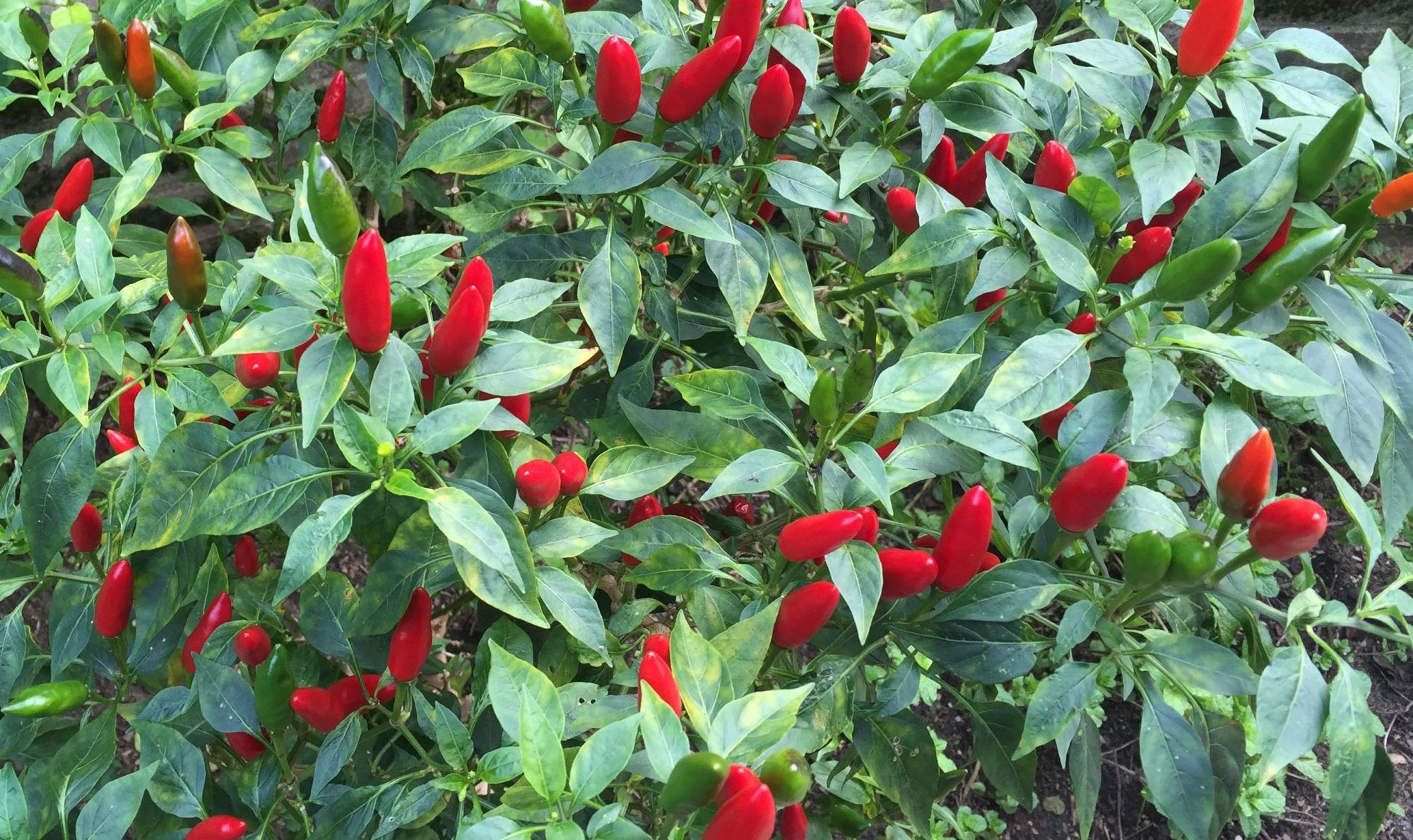
4-6 fresh small red chillies (deseed all or some depending on taste)
Knob of fresh ginger, peeled and roughly chopped, or 2 teaspoons ground ginger
Knob of fresh turmeric, peeled and roughly chopped, or 2 teaspoons ground turmeric
40g EVOO or oil of choice
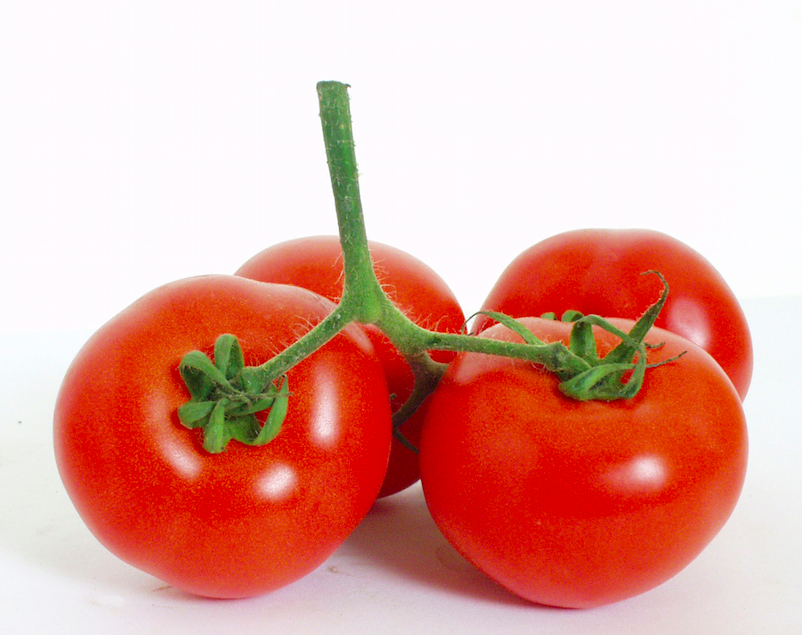
800g fresh tomatoes, quartered, or 2 x 400g canned tomatoes
120g malt vinegar
60g brown sugar
1 teaspoon Himalayan pink salt

Place seeds in TM bowl and dry roast 8 min/Varoma/speed 1, leaving MC off to keep seeds as dry as possible. Allow to cool slightly and place a sheet of paper towel between the TM lid and MC to stop seeds flying out. Mill for 1 min/speed 10 and scrape down sides.

Add onion, garlic, chillies, ginger and turmeric if using fresh and chop 5 sec/speed 8. Scrape down sides, add oil, ginger and turmeric if using ground. Sauté 3 min/120°C/speed 1.

Add tomatoes and chop for 5 sec/speed 5. Add vinegar, sugar and salt. Cook 90 min/100°C/speed 1 with simmering basket instead of MC on lid. Check consistency as you would for jam – it can vary depending on how juicy your tomatoes are. If not quite thick enough, cook a further 5-10 min/100°C/speed 1 with simmering basket instead of MC on lid. Pour into sterilised jars and seal.
Beluga Curry

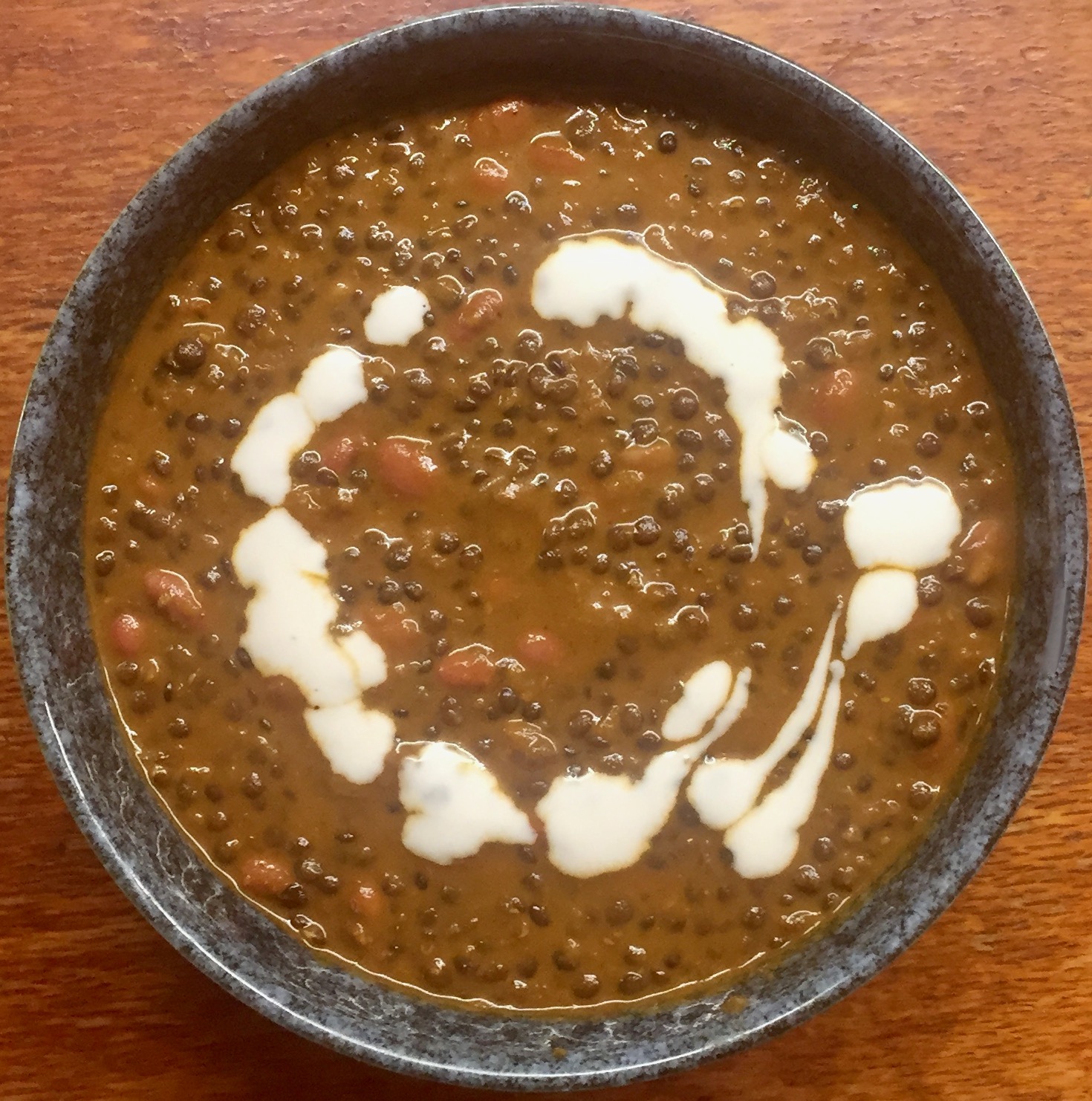
No, I’m not cooking whale! In this case, ‘beluga’ refers to the lentils I’ve used, so called because they resemble the well-known caviar.

In fact, it was difficult to know what to call this dish as it is inspired by the famous Punjabi curry, Dal Makhani, but it does have some differences. The traditional recipe uses whole urad dal whereas I’ve used beluga lentils which don’t need soaking and cook faster.

Dal Makhani translates as ‘buttery lentils’ due to the addition of butter and cream. My vegan version uses oil and coconut cream instead of butter and regular cream.

2-3 cloves garlic
Knob of fresh ginger, peeled and roughly chopped
1 small fresh red chilli or 1 teaspoon chilli flakes
1 red onion, peeled and quartered
25-30g EVOO, coconut oil or oil of choice
1 teaspoon ground coriander
1 teaspoon ground cumin
1 teaspoon smoked paprika
1 teaspoon turmeric
200g rinsed and drained beluga lentils
200g tomato passata or puree
200-300g water
Pinch of salt or to taste
400g can red kidney beans, drained
150g coconut cream or to taste
1 teaspoon garam masala (see recipe in Spice Blends)
Coriander leaves to garnish (optional)

Set TM on 10 sec/speed 7 and drop garlic, ginger and chilli onto spinning blades through hole in lid. Add onion, chop 5 sec/speed 5 and scrape down sides. Add oil and spices, and sauté 3 min/120°C/speed 1.

Add lentils, tomato passata and 200g water, and cook for 25 min/100°C/REVERSE soft speed. Check a couple of times while cooking and add more water if necessary, depending on the consistency you want. After 25 minutes, check that lentils are cooked to your liking. If you prefer them softer, cook for a further 5 minutes.

Add red kidney beans, coconut cream and garam masala, and cook 3 min/100°C/ REVERSE speed 1. Serve garnished with a swirl of coconut cream and coriander leaves if using.

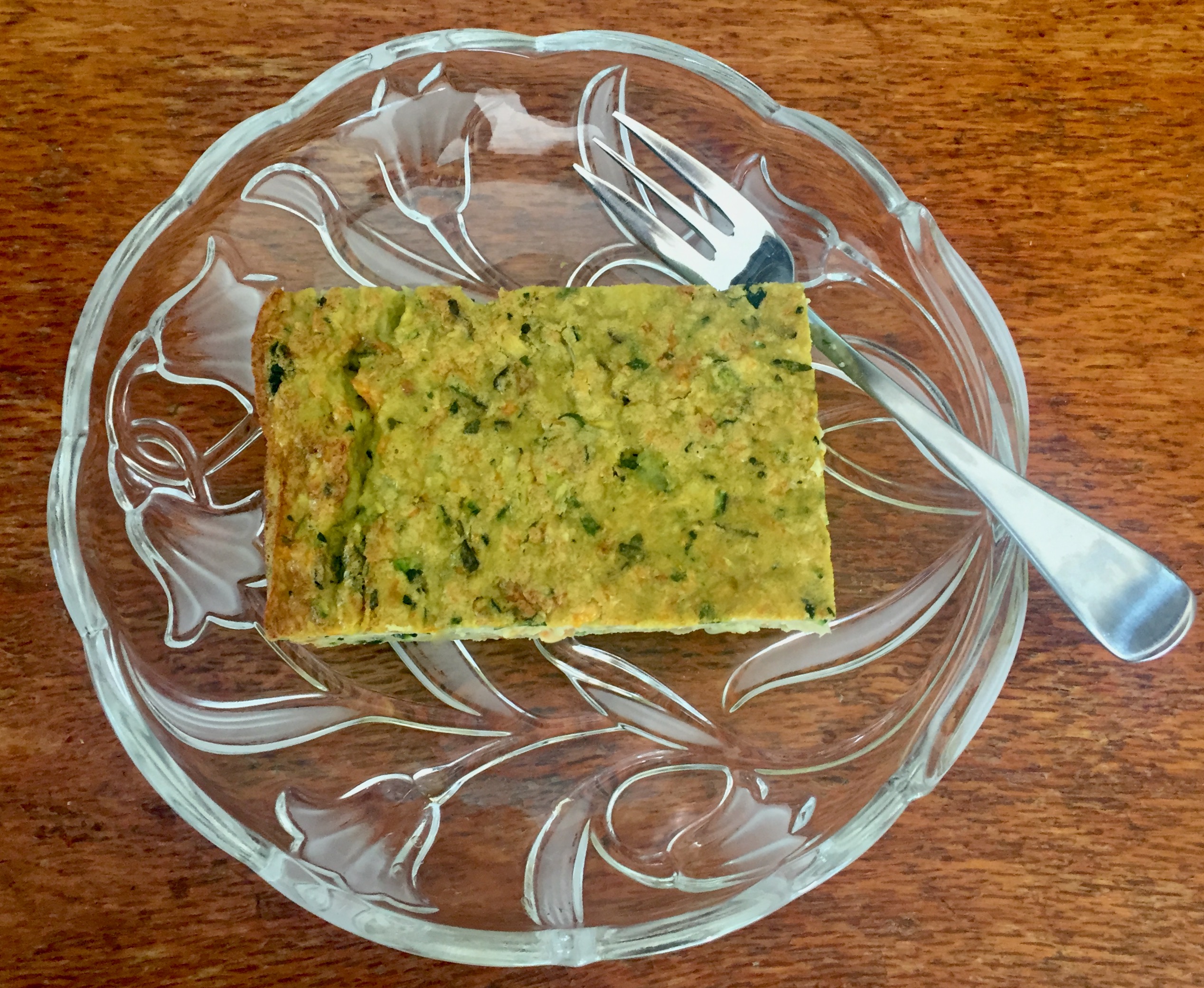
Dairy-Free Zucchini Slice

In my pre-Thermomix days, this Zucchini Slice was also known as Impossible Pie. It forms its own crust as it bakes so it’s a bit like a quiche without the pastry.

You can serve it warm, room temperature or cold and it freezes well so it’s ideal to take on picnics or pop into school lunchboxes. It’s ‘possibly’ one of the most versatile dishes you can make and ‘impossibly’ easy to make with the help of the Thermomix.

These days my version uses nutritional yeast flakes instead of cheese making it dairy-free. You can vary the veggies and herbs – I have used other herbs from the garden such as sage as well as parsley and oregano.

1 brown onion, peeled and halved
2-3 cloves garlic, peeled
375g zucchini, roughly chopped
1 large carrot, roughly chopped
2-3 sprigs parsley, leaves only
2-3 sprigs oregano, leaves only
6 eggs
35g EVOO or oil of choice
100g SR flour
3 tablespoons nutritional yeast flakes
Salt & Pepper to taste

Preheat oven to 170°C and grease or line a baking, lasagne or lamington pan.

Place onion, garlic, zucchini, carrot and herbs into TM bowl. Chop 4 secs/speed 5 and scrape down sides. Add rest of ingredients and mix for 20 secs/REVERSE speed 4.

Pour into prepared pan and bake for 30-40 minutes or until cooked through.

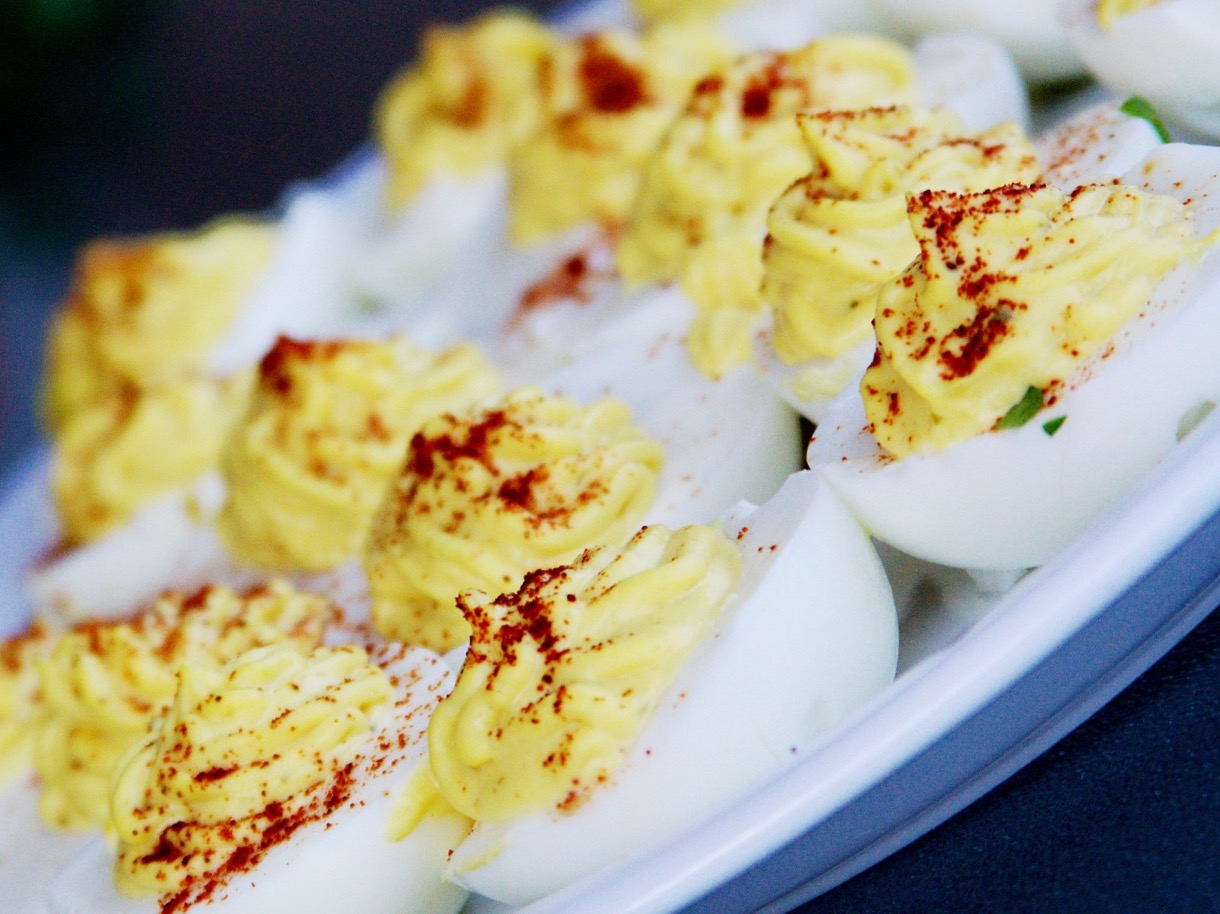
Devilled Eggs

Devilishly delicious and enjoyed by young and old alike!

500g water
6 large eggs
3 tablespoons mayonnaise or vegan aioli
(see recipe in Sauce ‘n’ Dippity)
1 teaspoon Dijon mustard
1 to 2 dashes Tabasco sauce (optional)
Paprika
1 tablespoon snipped fresh chives

Add water to TM bowl, insert simmering basket and place eggs into it. Cook 14 min/Varoma/speed 1. Remove simmering basket with spatula and immediately run cold water through it. When eggs are cool enough, peel, cut in half lengthwise and carefully remove yolks from whites.

Place yolks in TM bowl, add remaining ingredients except paprika and chives. Mix 10 sec/speed 4. Spoon or pipe mixture back into whites, sprinkle with paprika and garnish with snipped chives.

Martin’s Bread & Butter Pudding


120g raisins
4 tablespoons brandy
Approximately 1 loaf sliced white bread
Butter
1200ml milk
10 eggs
60g caster sugar
2 teaspoons vanilla extract
Cinnamon

Soak raisins in brandy for several hours.

Preheat oven to 180°C and lightly grease pan. Butter bread thinly, leaving crusts on. Add one layer of buttered bread to pan, cutting slices to fit snugly, and scatter over approximately one third of the raisins. Repeat until there are four layers of bread (or nearly to the top of the pan) but don’t put raisins on top layer as they burn or go hard while baking.

Whisk together milk, eggs, sugar and vanilla (you can do in two batches). Pour very gently over the layers of bread. Sprinkle top with cinnamon and bake for approximately 40-45 minutes.

VARIATION
After you scatter the raisins, sprinkle about a third of the zest of one orange on the first three layers (once again don’t add to top layer).

Fish & Fennel Curry

This recipe is based on a few for Kerala Fish Curry which we were given on our travels in South India. I had a small fennel bulb needing to be used and we found the combination of fennel and fish was very tasty indeed. Of course, if you don’t have fennel just leave it out and adjust cooking times accordingly.

All the recipes I’ve seen for Kerala Fish Curry include kokum (or kokam) which is sometimes referred to as Fish Tamarind in South India. If you can’t get hold of kokum, use tamarind puree instead.

For information about fennel, including nutritional benefits, check out the recipe for Fennel Chutney in ‘In a Pickle’.

125g warm water
2-3 pieces kokum
3-4 cloves garlic, peeled
Knob of fresh ginger, peeled and roughly chopped
1 long fresh green chilli, roughly chopped
1 large red onion, peeled and quartered
25g coconut oil
1 teaspoon fenugreek seeds
1 teaspoon mustard seeds
10-12 curry leaves
1-2 teaspoons Kashmiri chilli powder
½ teaspoon ground turmeric
1 teaspoon ground coriander
1 small fennel bulb, halved and thinly sliced
2 tablespoons tamarind puree and 125g water (if not using kokum)
½-1 teaspoon salt according to taste
250g firm white fish, cubed
100g coconut cream

Add kokum to warm water and set aside to soak for 30 minutes.

Set TM on 10 sec/speed 7 and drop garlic, ginger and chilli onto spinning blades through hole in lid. Add onion, chop 5 sec/speed 5 and scrape down sides.

Add oil, fenugreek seeds, mustard seeds, curry leaves, chilli powder, turmeric and coriander. Sauté 3 min/120°C/REVERSE soft speed. Add fennel, kokum including soaking water (or tamarind puree and water) and salt. Cook 10 min/100°C/REVERSE soft speed.

Transfer to pan on cooktop. Add fish and cook for approx. 5 minutes depending on fish and size of chunks. Stir in coconut cream but don’t let it boil.

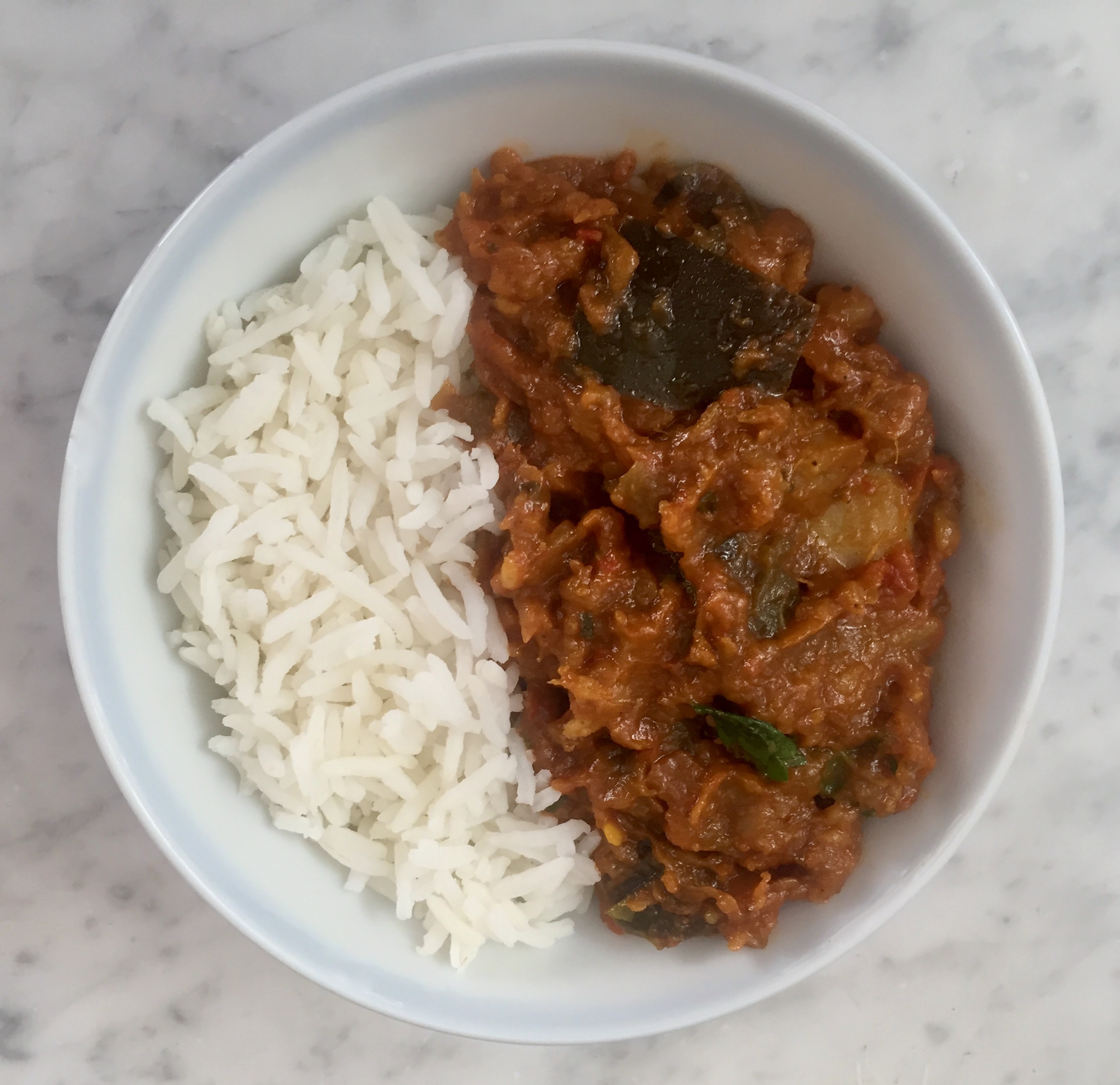
Baingan Aloo

Here’s yet another wonderful North Indian vegan curry featuring potatoes (aloo). This one combines them with eggplants – aka baingan in Hindi, brinjal in Bengali, or aubergine if you’re a pom.

Eggplants are a native of the Indian subcontinent and although actually a fruit are called the ‘king of vegetables’ in some cultures.

They’re rich in fibre and vitamins including C, K, B6 and folate plus minerals such as potassium, copper, magnesium and manganese.

½ bunch fresh coriander
2 small fresh red chillies, roughly chopped
2-3 cloves garlic, peeled
1 knob of ginger, peeled and roughly chopped
1 onion, peeled and halved
25g EVOO or oil of choice
1 teaspoon cumin seeds
2 teaspoons ground coriander
1 teaspoon ground turmeric
400g can diced tomatoes (or use fresh tomatoes)
½-1 teaspoon salt according to taste
2-3 potatoes (approx. 350-400g) cut into bite-sized pieces
1 eggplant (approx. 350-400g) cut into bite-sized pieces
1 teaspoon garam masala (see recipe in Spice Blends)

Wash coriander, separate the leaves from the stalks and set aside. Roughly chop the stalks.
(HINT: Save and freeze roots to make Thai curry pastes. See recipes in Spice Blends.)

Set TM on 10 sec/speed 7 and drop coriander stalks, chillies, garlic and ginger onto spinning blades through hole in lid.

Add onion to TM bowl, chop 5 sec/speed 5 and scrape down sides. Add oil, cumin seeds, ground coriander and turmeric. Sauté 3 min/120°C/speed 1.

Add tomatoes and salt to TM bowl. Put potatoes in the Varoma dish and eggplant in the Varoma tray. Place both on top of TM and cover with lid. Cook 20 min/Varoma/speed 2.

Transfer vegetables to TM bowl, add garam masala and cook 3 min/100°C/REVERSE speed 1. Serve sprinkled with reserved coriander leaves.

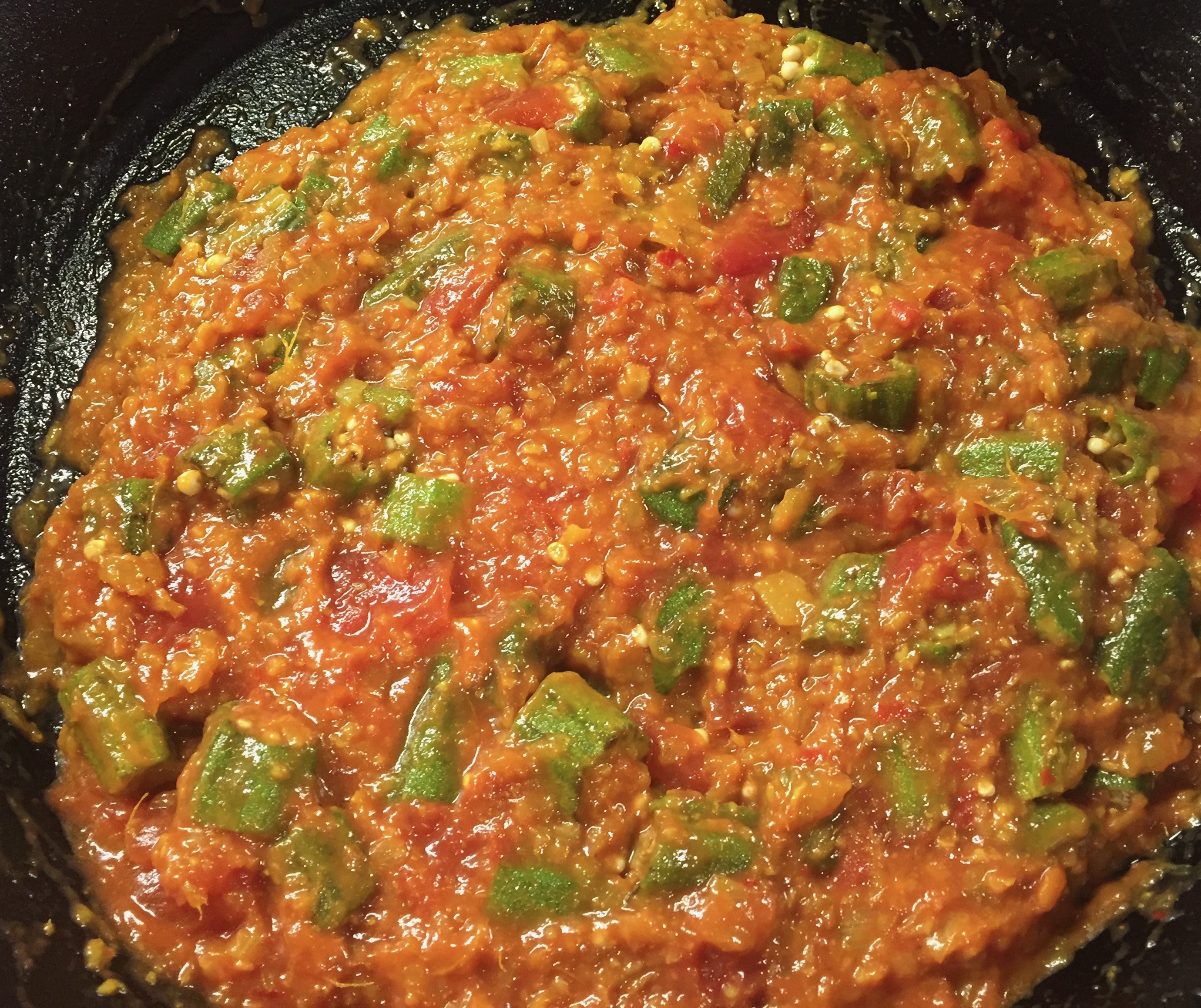
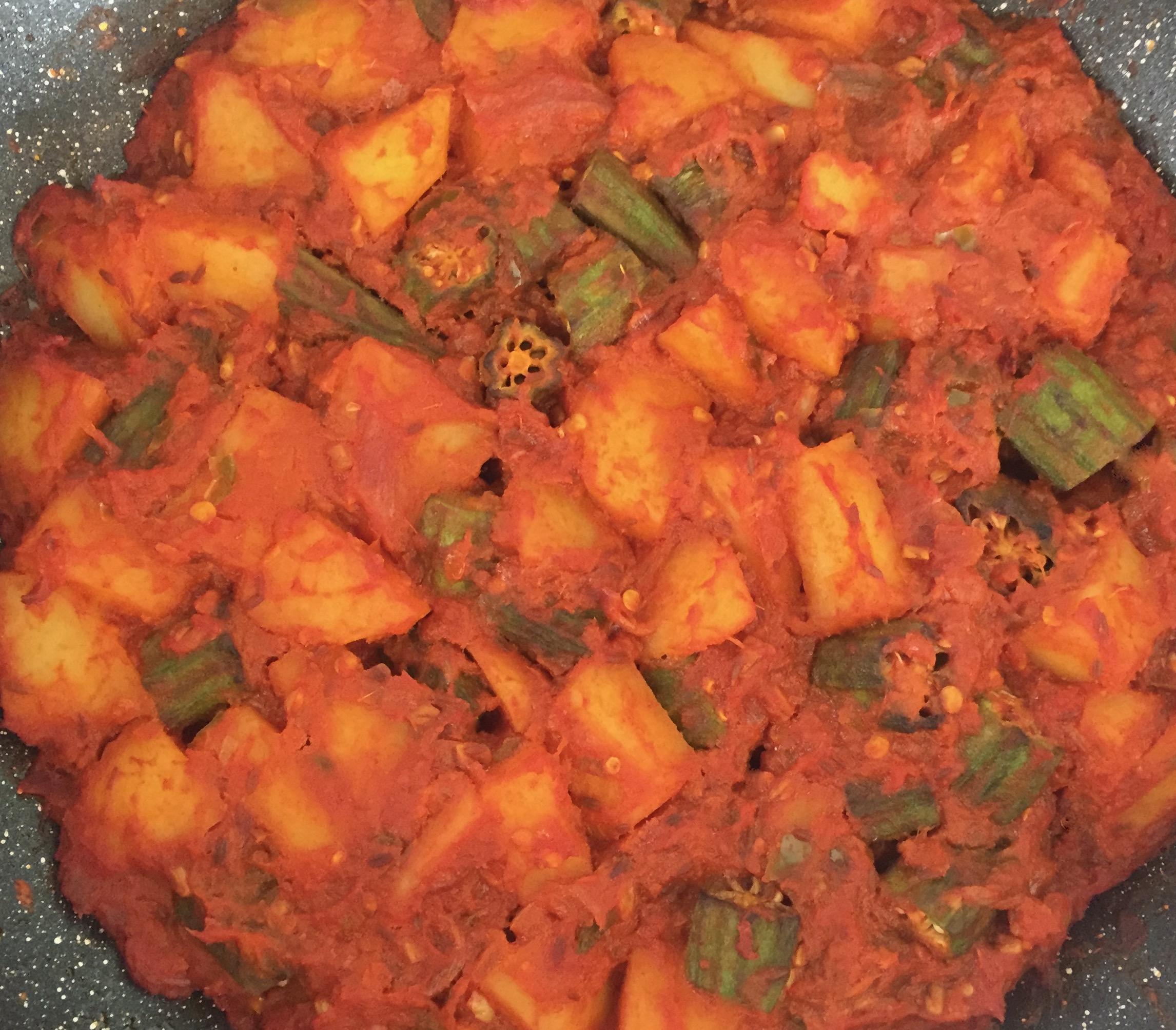
Bhindi (Okra) Masala

Okra or bhindi as it’s called in Hindi is a popular vegetable in Indian cuisine. It is low in calories but high in fibre, antioxidants, minerals such as potassium, magnesium and calcium plus vitamins B and C.

Many people find the problem with okra is that it’s slimy. This is because it contains a sticky substance called mucilage. Some cuisines use this to thicken stews like gumbo. However if you don’t want sliminess in a recipe make sure your okra is very dry before slicing it and then stir-fry it before adding other ingredients.

250g fresh okra
4 tablespoons oil, divided
1 teaspoon cumin seeds
2 cloves garlic, peeled
Knob of ginger, peeled and roughly chopped
1 long green chilli, roughly chopped
1 onion, peeled and halved
½ teaspoon Kashmiri chilli powder
2 teaspoons ground coriander
½ teaspoon ground turmeric
½ teaspoon salt
2 tomatoes, finely diced (or ½ x 400g can)
½ – 1 teaspoon garam masala (see recipe in Spice Blends)

Wash and pat dry okra with paper towel or air dry if you have the time. Make sure the okra is as dry as possible. Cut off the ends and cut each into 2-3cm rounds.

In a heavy pan, heat 2 tablespoons oil and add okra. Sauté on a low to medium heat stirring often until virtually cooked, then turn off heat.

Place cumin seeds into TM bowl and dry roast 8 min/Varoma/speed 1, leaving MC off to keep seeds as dry as possible.
.
Set TM on 10 sec/speed 7 and drop garlic, ginger and chilli onto spinning blades through hole in lid. Add onion to TM bowl, chop 5 sec/speed 5 and scrape down sides. Add remaining 2 tablespoons oil, chilli powder, coriander, turmeric and salt. Sauté 3 min/120°C/speed 1.

Transfer mixture to the pan containing okra, add diced tomatoes and garam masala. Turn on heat and cook for 3-5 minutes stirring frequently.

VARIATION
Aloo Bhindi Masala:
After you sauté the okra, set it aside on paper towel. Add 2 small to medium potatoes, peeled and cut in fairly small cubes, to frypan and sauté until almost cooked. Proceed with rest of recipe, transferring okra back to pan with tomatoes and garam masala.

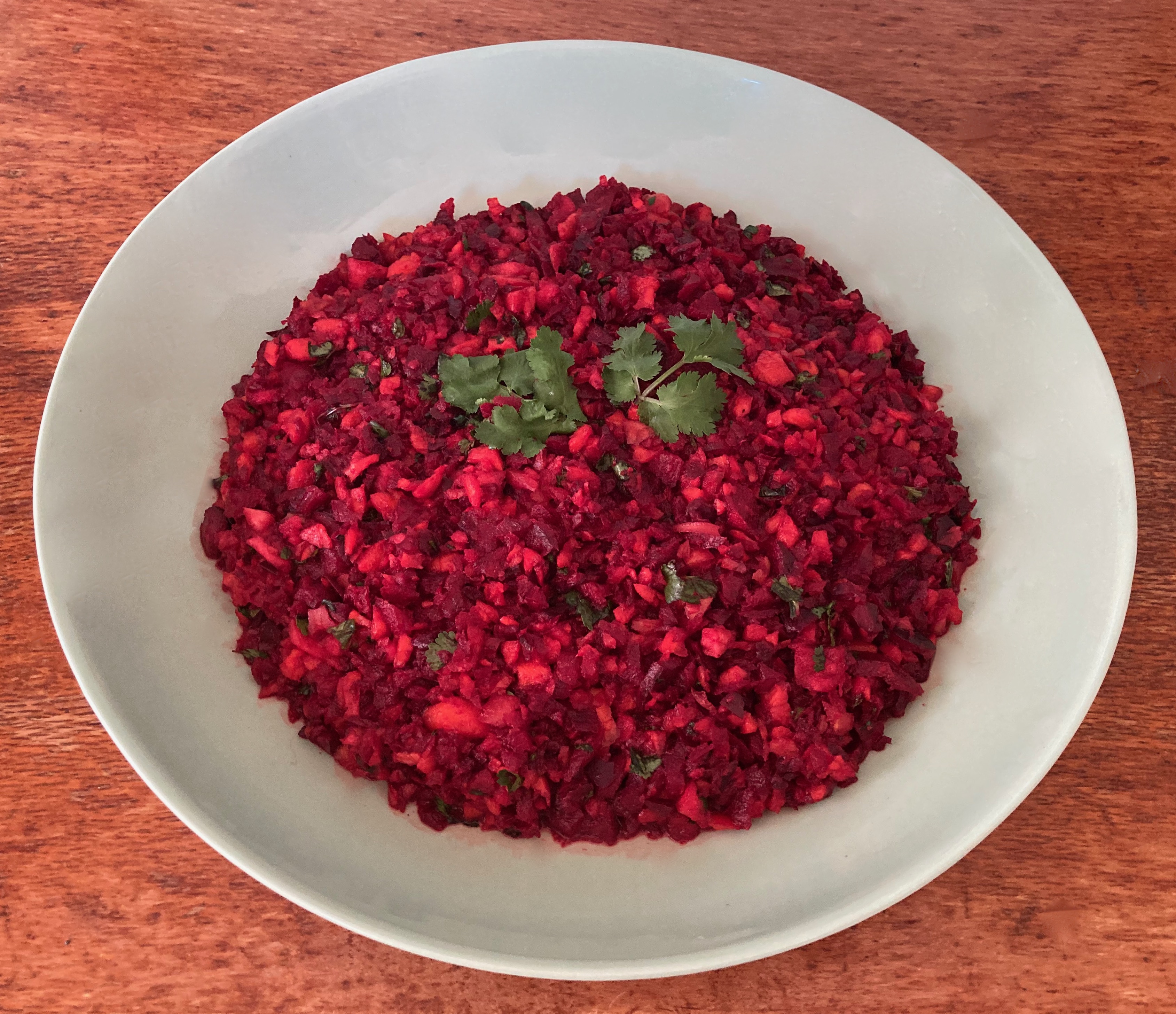
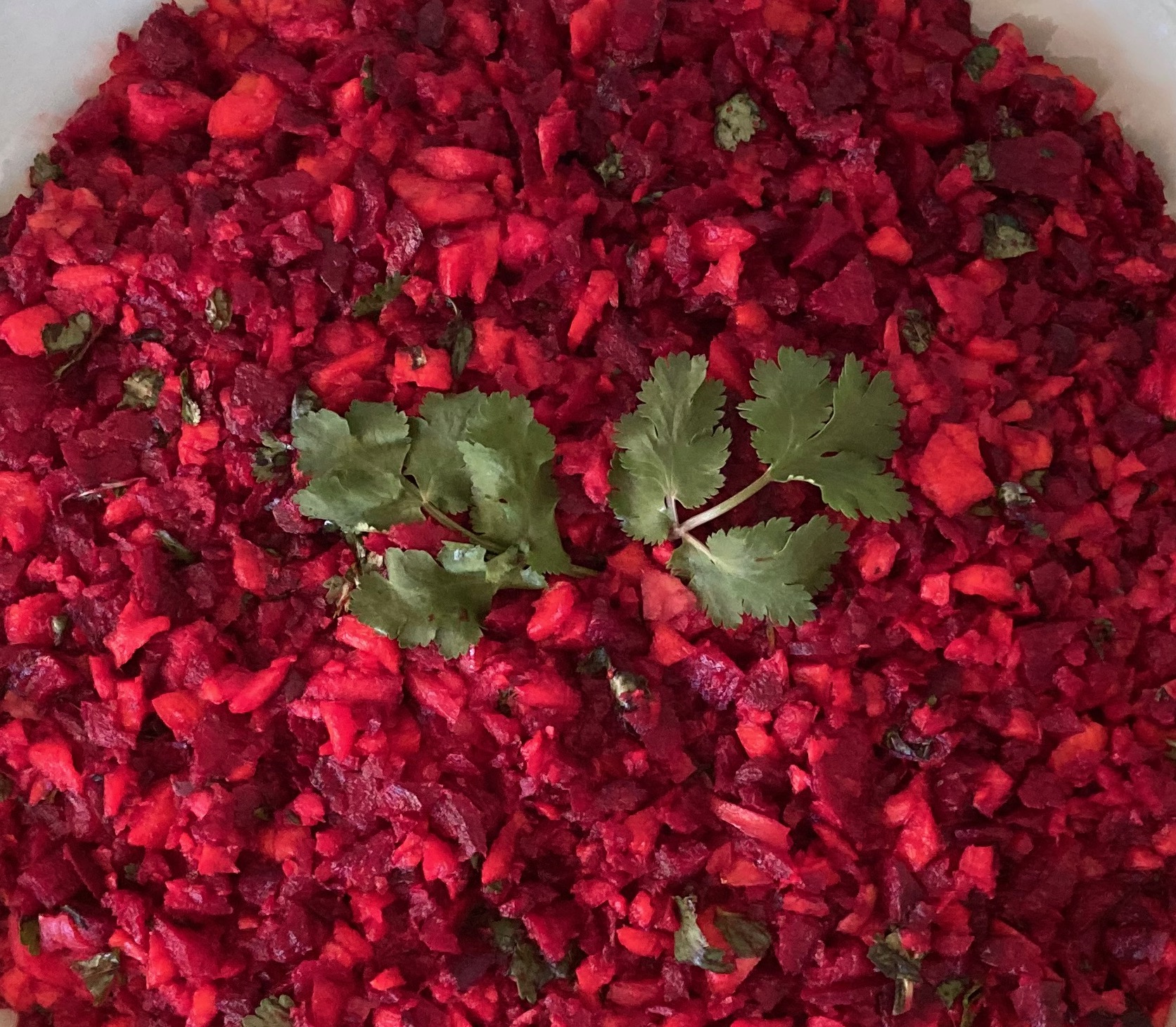
Beetroot Salad

Fast, fresh and fabulous. This is my take on the Thermomix Basic Cookbook recipe. It calls for fresh coriander which I don’t always have but I do have parsley and mint growing in the garden and I think that is a lovely combination in this salad.

The original recipe includes ¼ red onion and a green apple but I omit the onion (as I’m not mad on it raw) and I find a red apple, such as a Pink Lady, also works well.

Here’s a confession, I often don’t peel the beetroots especially if they don’t have tough looking skins. I just give them and the carrots a good scrub under cold water. Not nearly so messy!

2 medium (approx. 400g) raw beetroots, quartered
2 large (approx. 200g) raw carrots, roughly chopped
1 apple, quartered and cored
20g Extra Virgin Olive Oil
20g pomegranate molasses
Juice of ½ lemon (approx. 20g)
Pinch of salt or to taste
Big handful of fresh herb leaves such as coriander, parsley, mint (or a combination)

Place all ingredients in TM bowl and chop 2-3 sec/speed 5. Scrape down sides and repeat.

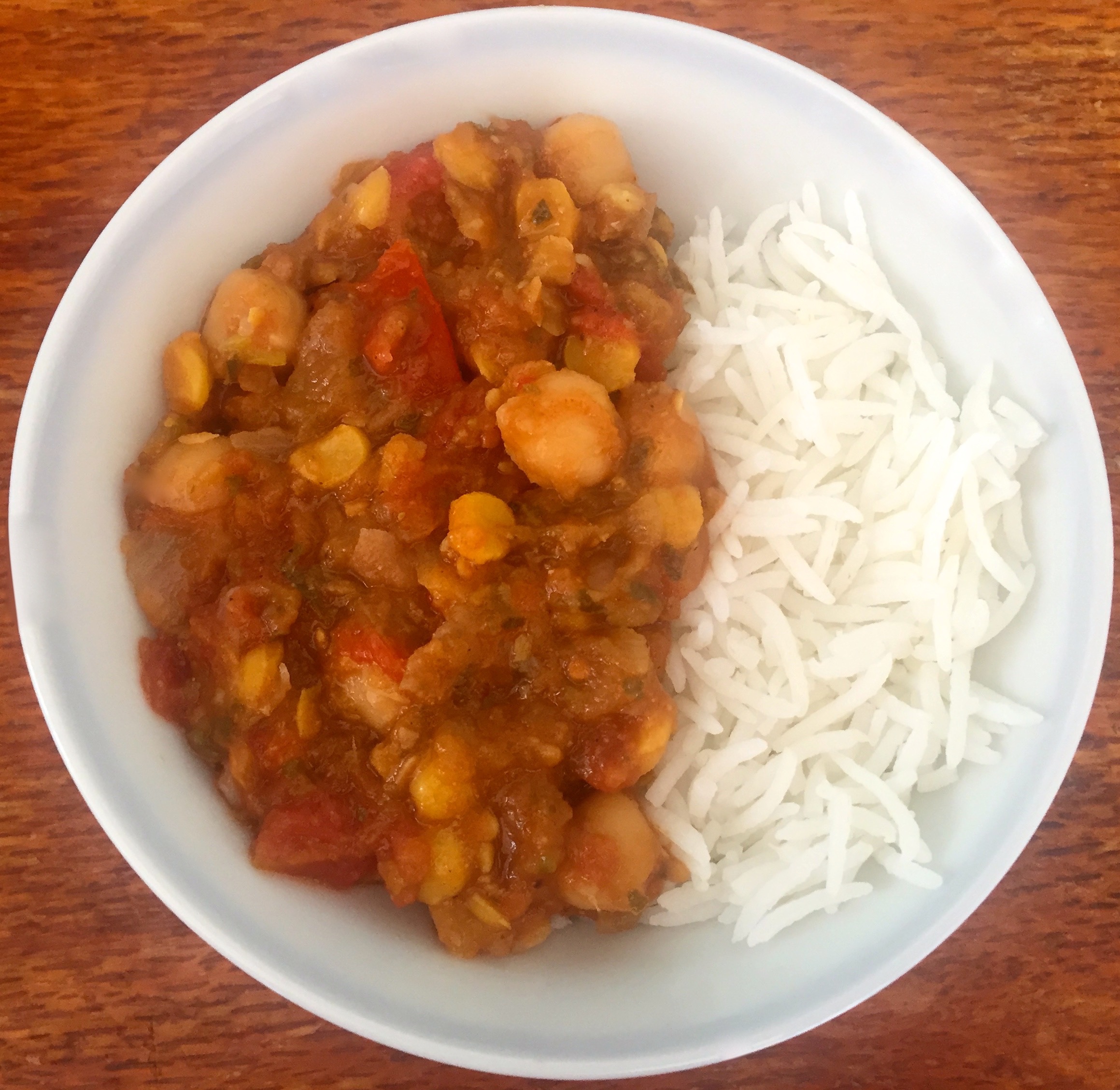
Paraati Chana

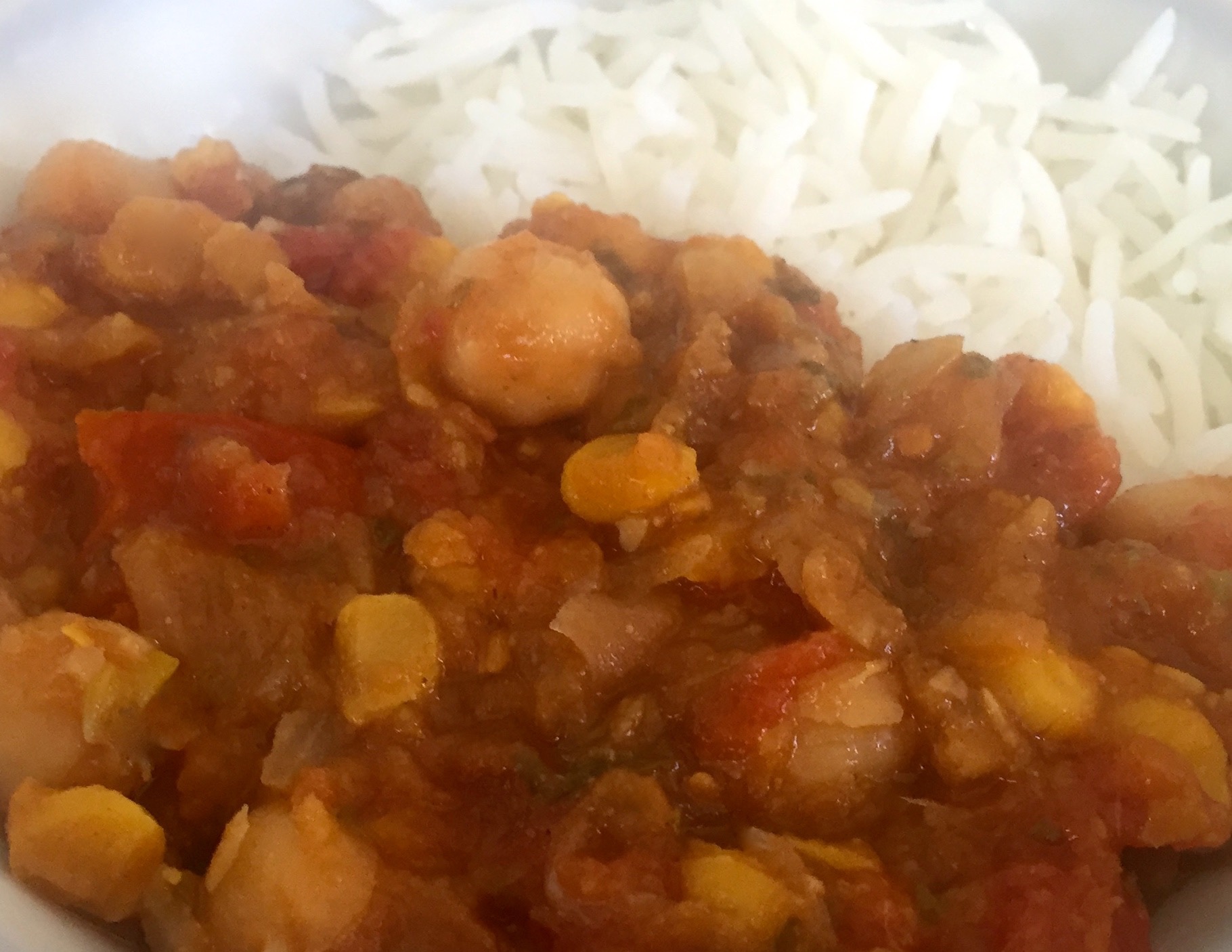
Paraati Chana is a wonderful mix of chickpeas and chana dal cooked in a mint sauce. It’s a popular snack food sold on the streets of Northern India and served from a large round tray called a ‘paraat’.

If you can’t get chana dal, you can use yellow split peas instead but bear in mind they cook down a bit faster whereas chana dal holds its shape better. Interestingly chana dal is high in protein and fibre but has a very low glycaemic index so is great for diabetics.

Got lots of mint growing in the garden? This is a great way to use some of it.

I make the amounts shown if I’m just cooking for the family but I double the quantities for larger gatherings. The recipe is adapted from Madhur Jaffrey’s World Vegetarian cookbook. I omit the oil from her recipe and just sauté the onion in the minty mixture.

150g dried chickpeas, soaked overnight, drained and rinsed
3 cups (750ml) water
75g chana dal or yellow split peas, rinsed
2 cloves garlic, peeled
Knob of ginger, peeled and roughly chopped
1 or 2 large fresh hot green chillies, roughly chopped
½ packed cup fresh mint leaves
40g water
1 onion, peeled and halved
400g can diced tomatoes
1 teaspoon ground coriander
1 teaspoon ground cumin
½ teaspoon salt
1 ½ tablespoons tamarind paste or fresh lemon juice
1 teaspoon garam masala (see recipe in Spice Blends)

Bring chickpeas and water to the boil, cover and simmer for 1 hour. Add chana dal or split peas, cover and continue simmering. I simmer the chana dal for about an hour at this stage but find split peas only need 30-40 minutes. When you think they’re soft enough, turn off the heat.

Meanwhile place garlic, ginger, chillies, mint leaves and water in TM bowl and chop 10 sec/speed 5. Scrape down sides and repeat three or four times until a minty paste is formed. Add onions and chop 5 sec/speed 5. Sauté 3 min/120°C/speed 1.

Add tomatoes, coriander, cumin and salt. Cook 10 min/100°C/REVERSE speed 1. Transfer to your pot on the cooktop containing the chickpeas and chana dal or split peas. Add tamarind paste and simmer for 25 minutes. Stir in garam masala and simmer a further 5 minutes.